
Global Sea Freight Solutions
Reliable worldwide ocean transport with competitive rates
From single cartons to large-scale freight with competitive rates. FCL, LCL, and OOG options backed by end-to-end support including customs clearance and onward distribution.
Comprehensive Sea Freight Solutions
From single cartons to full container loads worldwide
-
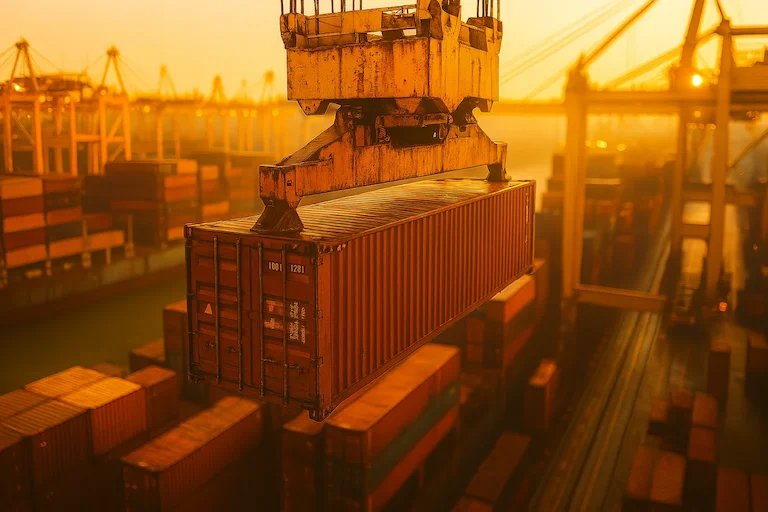
Full Container Load (FCL)
Dedicated full container services for large shipments worldwide. Maximum security, fastest transit times, and complete control over your cargo space.
- 20ft and 40ft container options
- Dedicated container security
- Direct port-to-port routing
- Flexible loading schedules
-
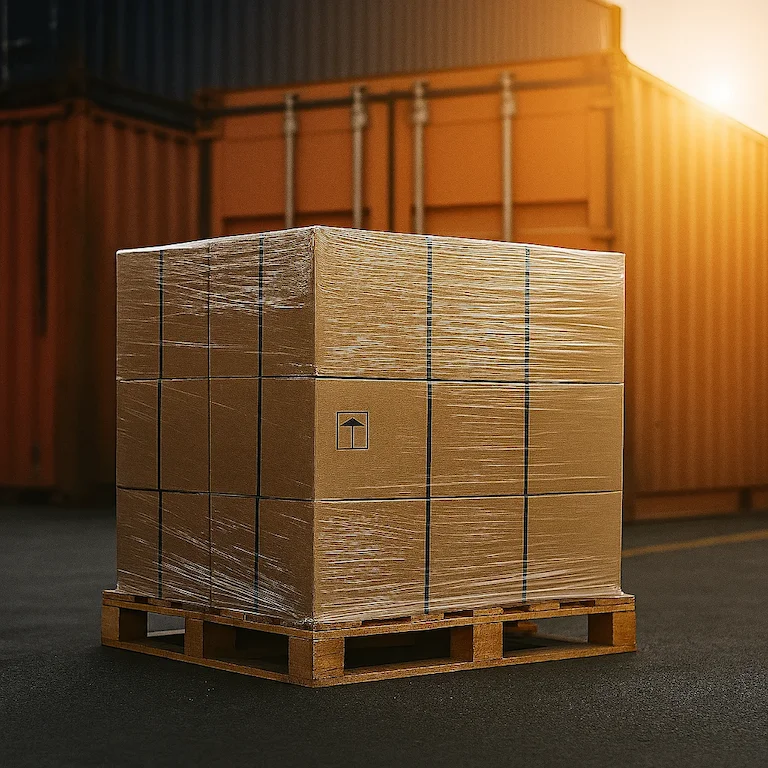
Less Than Container Load (LCL)
Cost-effective shared container services for smaller shipments. Share container space, maintaining reliable transit times and competitive pricing.
- Weekly sailing schedules
- Major global destinations
- Consolidated documentation
- Flexible volume options
-
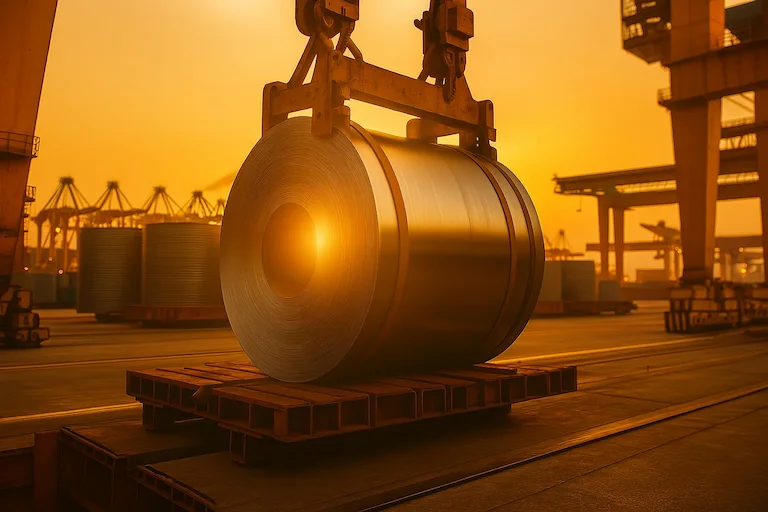
Out of Gauge (OOG) Cargo
Specialized handling for oversized, heavy, or unusually shaped cargo that doesn't fit standard containers. Expert project cargo management.
- Flat rack and open top containers
- Heavy lift cargo expertise
- Specialist port handling equipment
-
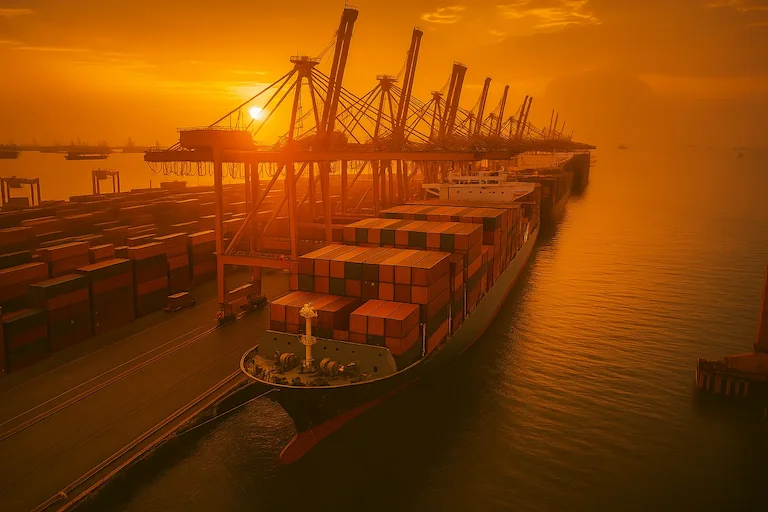
Port-to-Door Services
Complete end-to-end sea freight service from origin port to final destination. Full coordination of ocean and inland transport.
- Origin port collection
- Ocean freight coordination
- Destination customs clearance
- Final mile inland delivery
Worldwide Port Network
Connecting you to major ports across all continents
Major Global Routes
- Europe
- Southampton, Hamburg, Rotterdam, Antwerp, Le Havre
- North America
- New York, Los Angeles, Long Beach, Savannah
- Asia Pacific
- Shanghai, Singapore, Hong Kong, Tokyo, Sydney
- Middle East
- Dubai, Jeddah, Kuwait, Doha
- South America
- Santos, Buenos Aires, Valparaiso, Cartagena
- Africa
- Durban, Lagos, Cape Town, Alexandria
And connections to 200+ international ports
The Bobo Intl Approach to Global Sea Freight
International sea freight is more complex than booking a container. It involves shipping line schedules, customs compliance at both ends, documentation that must be exact, and coordination across multiple ports and hauliers. We handle all of it - bringing the kind of hands-on involvement that larger freight forwarders simply don't offer.
-
Carrier Relationships That Benefit You
Our direct contracts with major shipping lines mean we can secure competitive rates and reliable space allocation - even during peak season when capacity tightens. You get the buying power of an established forwarder without losing the personal service.
- Direct contracts with major container shipping lines
- Preferential rates passed through to clients
- Guaranteed space allocation during high-demand periods
- FCL and LCL options matched to your actual cargo volume
-
Documentation Handled End to End
Sea freight generates significant paperwork on both sides of the shipment. Bills of lading, certificates of origin, customs entries, import declarations - our team handles every document correctly and on time, so your cargo doesn't sit waiting at the port.
- Full export and import documentation preparation
- Customs clearance at UK and destination ports
- Experience with complex multi-origin consignments
- Letter of credit and trade finance document support
-
Involved From Port to Door
We don't hand your shipment off once it's on the water. We monitor voyage progress with care, coordinate port handling at the destination, arrange inland delivery, and keep you fully updated at every stage of the journey.
- Regular voyage updates from departure to arrival
- Destination port handling coordination
- Customs clearance and bonded storage if required
- Final delivery arranged directly to your customer
Our Sea Freight Service Process
Specialist Sea Freight Solutions
Specialised Transport Options
Trusted Across Global Industries
Why Sea Freight Makes Commercial Sense
For most international trade beyond Europe, sea freight is the commercially logical choice. It handles volumes that air freight cannot, at costs that allow global trade to be viable for businesses of all sizes. Understanding when and how to use it well is where experience makes the difference.
-
The Most Cost-Effective Freight
Sea freight offers a cost per tonne that no other mode can match for large or heavy shipments. A full container load across the Atlantic or Pacific typically costs a fraction of equivalent air freight, making it the only practical option for bulk goods and large manufactured items.
- Lowest cost per tonne for international shipments
- No weight restrictions - ideal for heavy or dense cargo
- FCL pricing becomes highly competitive at volume
- LCL consolidation keeps costs manageable for smaller loads
-
Handle Cargo That Won't Fly
Machinery, vehicles, project cargo, hazardous materials, refrigerated goods at volume - sea freight handles a far wider range of cargo types than air. Flat racks, open tops, reefer containers, and RoRo services mean there are very few things that can't move by sea.
- Out of gauge and heavy lift cargo via flat rack and open top
- Temperature-controlled reefer containers for perishables
- Roll-on/Roll-off for vehicles and self-propelled machinery
- Dangerous goods shipping with full IMO compliance
-
Lower Carbon Print for Global Freight
Sea freight produces significantly lower CO2 emissions per tonne-kilometre than air freight. For businesses tracking Scope 3 emissions or working towards sustainability commitments, choosing sea over air where timelines allow makes a measurable difference.
- Significantly lower emissions per tonne than air freight
- Supports corporate sustainability and ESG reporting goals
- Modern vessels increasingly using low-emission fuels
- Simple to calculate and report carbon savings vs air
All business with BOBO INTL LTD is transacted under the current edition of the Standard Trading Conditions of the British International Freight Association.
A copy of which is available on request or downloadable from BIFA.org
Let's Get Started
With a complete understanding of routes, regulations, and carrier networks. We know the roads, the ports, and the people that make freight move.